
Childhood Nutrition Guidance: Building Healthy Eating Habits That Last a Lifetime
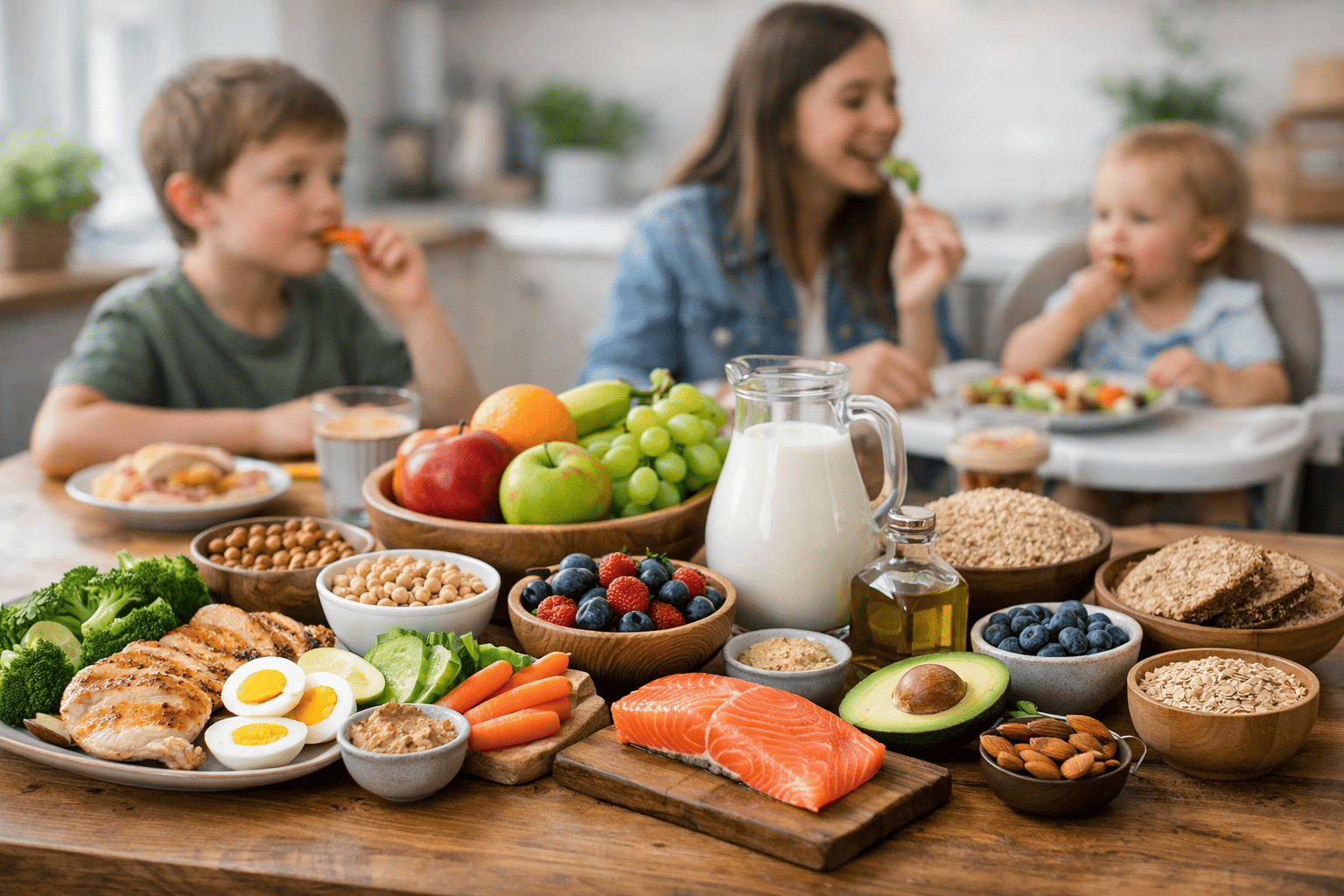
As parents, one of the most important responsibilities you have is helping your child develop healthy habits. Among these, nutrition stands out as one of the most impactful. Proper nutrition fuels growth, supports brain development, strengthens the immune system, and lays the foundation for lifelong wellness. That is why childhood nutrition guidance plays such a critical role in pediatric care.
In today’s world, where processed foods, busy schedules, and conflicting information are common, it can be difficult to know what truly constitutes a healthy diet for children. This guide will walk you through the essentials of childhood nutrition, practical strategies for everyday life, and how to build habits that support your child’s long-term health.
Why Childhood Nutrition Guidance Matters
Children are not just small adults. Their nutritional needs are unique and constantly changing as they grow. What they eat during infancy, childhood, and adolescence directly impacts their development and future health.
Proper childhood nutrition supports:
- Physical growth including bones, muscles, and organs
- Brain development and cognitive function
- Immune system strength to fight infections
- Energy levels for learning and play
- Emotional regulation and mood stability
Poor nutrition, on the other hand, can lead to issues such as delayed growth, weakened immunity, obesity, and long-term health conditions.
Key Nutrients Every Child Needs
Understanding the basics of nutrition can help you make informed decisions for your child.
1. Protein
Protein is essential for growth and tissue repair. It supports muscle development and overall body function.
Good sources include:
- Lean meats and poultry
- Eggs
- Dairy products
- Beans and legumes
- Nuts and seeds (for older children)
2. Healthy Fats
Fats are crucial for brain development, especially in early childhood.
Healthy options include:
- Avocados
- Olive oil
- Nuts and seeds
- Fatty fish like salmon
3. Carbohydrates
Carbohydrates provide energy for daily activities and brain function.
Focus on:
- Whole grains
- Fruits
- Vegetables
Limit refined sugars and processed snacks.
4. Vitamins and Minerals
Children need a wide range of vitamins and minerals, including:
- Calcium for strong bones
- Iron for healthy blood
- Vitamin D for bone health
- Vitamin C for immune support
A balanced diet typically provides these nutrients without the need for supplements, unless recommended by a provider.
Childhood Nutrition by Age Group
Infants (0–12 Months)
Nutrition in the first year focuses on:
- Breast milk or formula as the primary source of nutrition
- Introduction of solid foods around 6 months
- Iron-rich foods such as pureed meats and fortified cereals
- Avoiding added sugars and salt
Toddlers (1–3 Years)
Toddlers are known for picky eating. During this stage:
- Offer a variety of foods repeatedly
- Encourage self-feeding
- Maintain regular meal and snack times
- Limit juice and sugary drinks
School-Age Children (4–12 Years)
As children grow, nutrition supports learning and activity:
- Balanced meals with protein, whole grains, and vegetables
- Healthy snacks like fruits, yogurt, or nuts
- Encouraging hydration with water
- Limiting processed foods
Adolescents (13–18 Years)
Teenagers need increased nutrients due to growth spurts:
- Higher protein intake
- Calcium and vitamin D for bone development
- Iron, especially for teenage girls
- Education on healthy choices and independence
Common Nutrition Challenges for Families
Picky Eating
Many children go through phases of selective eating. Strategies include:
- Offering new foods alongside familiar favorites
- Avoiding pressure or forcing food
- Modeling healthy eating habits
Busy Schedules
Families often rely on convenience foods. To improve nutrition:
- Plan meals ahead of time
- Keep healthy snacks available
- Prepare simple, balanced meals
Sugar and Processed Foods
Excess sugar intake can lead to:
- Weight gain
- Energy crashes
- Dental issues
Focus on whole foods and limit sugary drinks and snacks.
The Role of Parents in Childhood Nutrition Guidance
Parents have a powerful influence on their child’s eating habits. Children learn by observing, so your choices matter.
Be a Role Model
Eat balanced meals and demonstrate healthy habits.
Create a Positive Food Environment
- Eat meals together when possible
- Avoid distractions like screens during meals
- Encourage conversation and connection
Avoid Using Food as a Reward or Punishment
This can create unhealthy relationships with food.
Encourage Balance, Not Perfection
It is okay for children to enjoy treats occasionally. Focus on consistency rather than strict rules.
Healthy Meal Planning Made Simple
Creating balanced meals does not have to be complicated. A simple guideline is:
- Half the plate: fruits and vegetables
- One quarter: protein
- One quarter: whole grains
Include a source of healthy fat and a glass of water or milk.
Snacks That Support Growth
Snacks are an important part of childhood nutrition. Choose options that provide nutrients rather than empty calories.
Healthy snack ideas include:
- Apple slices with peanut butter
- Yogurt with berries
- Cheese and whole-grain crackers
- Carrot sticks with hummus
- Smoothies made with fruit and milk
Hydration Matters
Water is essential for every function in the body. Encourage your child to drink water throughout the day.
Limit:
- Sugary drinks
- Soda
- Excessive juice
Milk is also a good source of calcium, but it should be consumed in appropriate amounts based on age.
The Connection Between Nutrition and Behavior
Nutrition affects more than physical health. It also influences:
- Focus and attention
- Mood and emotional regulation
- Sleep quality
Balanced meals help stabilize blood sugar levels, which can reduce irritability and improve concentration.
When to Seek Professional Nutrition Guidance
While general advice works for many families, some children may benefit from additional support.
Consider speaking with a pediatric provider or dietitian if your child:
- Has difficulty gaining or maintaining weight
- Is extremely selective with food
- Has food allergies or intolerances
- Has a medical condition affecting nutrition
- Shows signs of disordered eating
Professional guidance ensures your child’s nutritional needs are met safely and effectively.
Building Lifelong Healthy Habits
The goal of childhood nutrition guidance is not just short-term health, but long-term habits.
Children who learn healthy eating patterns early are more likely to:
- Maintain a healthy weight
- Develop positive relationships with food
- Reduce risk of chronic diseases
- Make informed choices as adults
Consistency, patience, and positive reinforcement are key.
How Pediatric Providers Support Nutrition
Pediatric visits are an excellent opportunity to discuss nutrition. Providers can:
- Track growth and identify concerns
- Offer personalized dietary advice
- Address feeding challenges
- Provide referrals to specialists if needed
Regular checkups ensure your child stays on track.
Nutrition is one of the most powerful tools you have to support your child’s health. Through thoughtful choices, consistent routines, and positive guidance, you can help your child develop habits that last a lifetime.
Childhood nutrition guidance is not about perfection. It is about balance, education, and creating an environment where healthy choices become natural.
If you have questions about your child’s nutrition or would like personalized support, we are here to help.