
Understanding the Baby Immunization Schedule: A Complete Guide for Parents
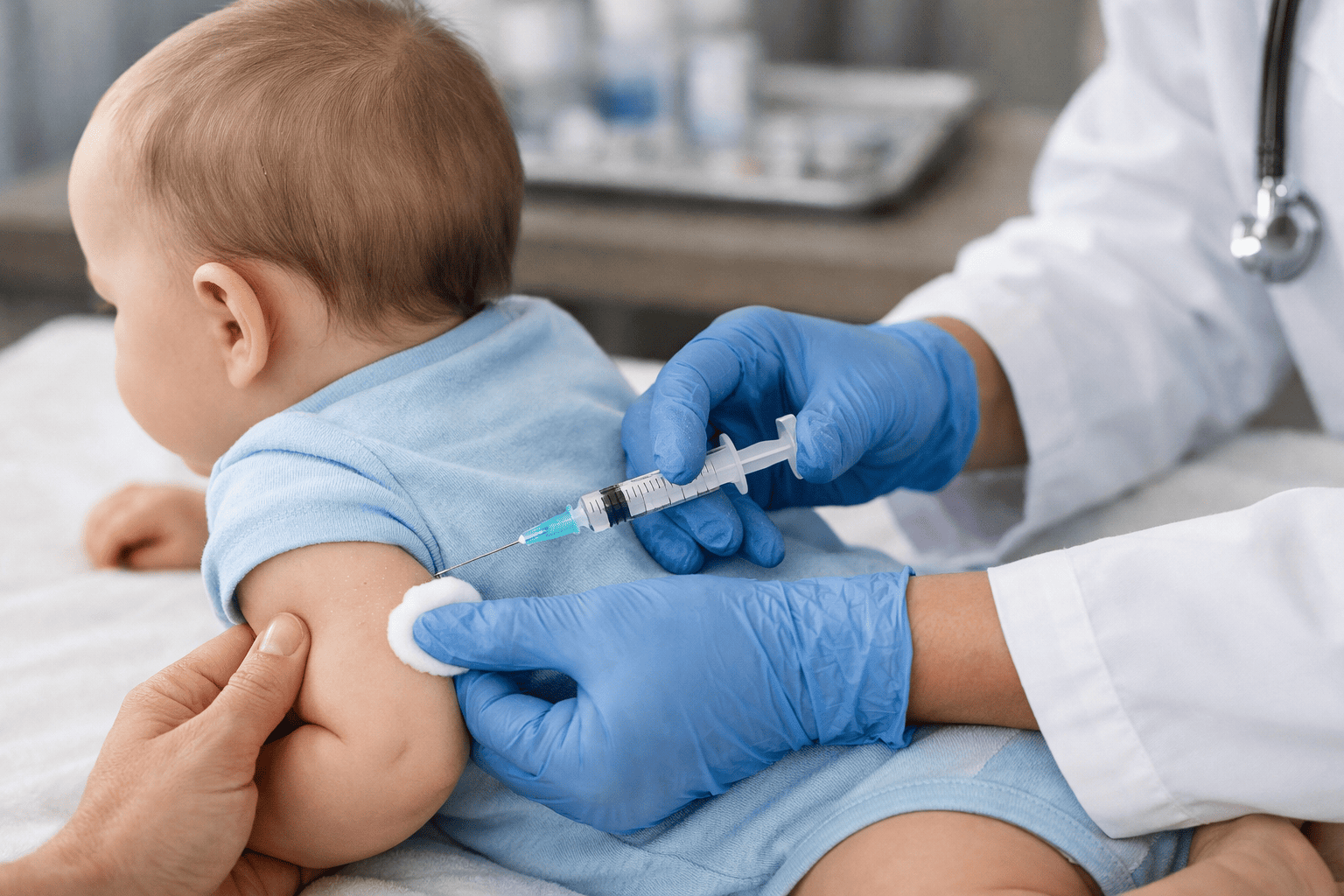
Welcoming a new baby comes with many responsibilities, and one of the most important is protecting your child from preventable diseases. Following the recommended baby immunization schedule ensures your infant receives vaccines at the right time to build strong immunity during the most vulnerable stages of life.
For many parents, the vaccine schedule can feel overwhelming. There are multiple appointments, several vaccines, and a lot of information to process. This guide will walk you through what the baby immunization schedule includes, why timing matters, what to expect at each stage, and how to feel confident about your child’s protection.
Why the Baby Immunization Schedule Is So Important
Newborns and infants have developing immune systems. While they receive some temporary antibodies from their mothers, that protection fades within the first few months of life. Vaccines help stimulate your baby’s immune system to produce its own protection against serious diseases.
The baby immunization schedule is carefully designed by medical experts to:
- Protect babies when they are most vulnerable
- Provide immunity before exposure to dangerous diseases
- Space vaccines appropriately for maximum effectiveness
- Reduce the risk of outbreaks in the community
By staying on schedule, you are not only protecting your child but also contributing to community health.
How the Baby Immunization Schedule Is Created
The Centers for Disease Control and Prevention (CDC) and the American Academy of Pediatrics review scientific research every year to determine the safest and most effective vaccine timing. These recommendations are based on:
- When infants are most at risk for certain diseases
- How the immune system responds at different ages
- Clinical trial data demonstrating safety and effectiveness
- Ongoing monitoring of vaccine safety
The schedule is built to provide early protection while minimizing discomfort and maximizing immune response.
The Baby Immunization Schedule: Month-by-Month Breakdown
Here is a general overview of the recommended baby immunization schedule during the first year of life.
At Birth
Hepatitis B (HepB) – First Dose
Hepatitis B is a serious liver infection that can lead to lifelong complications. The first dose is given shortly after birth to provide immediate protection.
2 Months
At two months, babies receive several important vaccines:
- DTaP (Diphtheria, Tetanus, and Pertussis)
- IPV (Polio)
- Hib (Haemophilus influenzae type b)
- PCV13 (Pneumococcal conjugate vaccine)
- Rotavirus (oral vaccine)
- Hepatitis B – Second dose
This visit marks the beginning of core infant protection against respiratory, neurological, and bloodstream infections.
4 Months
At four months, babies receive second doses of:
- DTaP
- IPV
- Hib
- PCV13
- Rotavirus
Booster doses strengthen the immune response that began at two months.
6 Months
At six months, the schedule typically includes:
- Third dose of DTaP
- Third dose of PCV13
- Third dose of Hib (depending on brand)
- Third dose of Hepatitis B (between 6–18 months)
- Influenza vaccine (annually starting at 6 months)
Flu vaccination is especially important because infants can experience severe complications from influenza.
9 Months
No routine vaccines are typically required at this visit unless catch-up immunizations are needed. However, this is an important developmental and wellness check.
12 Months
At one year, babies receive:
- MMR (Measles, Mumps, Rubella)
- Varicella (Chickenpox)
- Hepatitis A
- Final doses of Hib and PCV13
These vaccines protect against highly contagious illnesses that can cause serious complications.
Why Timing Matters in the Baby Immunization Schedule
Some parents wonder whether vaccines can be delayed. While flexibility is sometimes necessary, the recommended timing is intentional. Delaying vaccines can:
- Leave your baby vulnerable to preventable diseases
- Increase the number of appointments required
- Raise the risk of outbreaks
Babies are exposed to germs daily through family members, childcare settings, and community contact. Staying on schedule ensures they have protection as early as possible.
What to Expect at Immunization Visits
Understanding what happens during vaccine appointments can help reduce anxiety for parents.
Before the Visit
- Make sure your baby is well rested and fed
- Bring your immunization record
- Prepare questions for your provider
During the Visit
- Your baby will have weight, length, and head circumference measured
- The pediatric provider will conduct a physical exam
- Vaccines will be administered, usually in the thigh muscle for infants
- Some vaccines may be combined to reduce the number of injections
After the Visit
Mild side effects are common and temporary. These may include:
- Fussiness
- Mild fever
- Redness or swelling at the injection site
- Temporary decreased appetite
Serious side effects are rare. Your provider will explain what to watch for and when to call.
Common Questions About the Baby Immunization Schedule
Is it safe for babies to receive multiple vaccines at once?
Yes. Babies’ immune systems are capable of handling multiple vaccines at one visit. In fact, they encounter far more antigens daily through normal activities than are present in vaccines.
Can vaccines overload the immune system?
No. Modern vaccines are highly refined and contain fewer antigens than older vaccines did decades ago.
What if my baby is sick on vaccine day?
Mild illnesses like a cold without fever usually do not prevent vaccination. However, if your baby has a high fever or moderate illness, your provider may recommend postponing.
Are vaccines tested for safety?
Yes. Vaccines undergo years of research, clinical trials, and ongoing monitoring before and after approval.
The Importance of Herd Immunity
Following the baby immunization schedule not only protects your child but also protects:
- Newborns are too young for certain vaccines
- Children with compromised immune systems
- Elderly family members
- Pregnant individuals
High vaccination rates reduce disease spread and protect vulnerable populations.
Catch-Up Schedules
If your baby misses a scheduled vaccine, do not panic. Pediatric providers use catch-up immunization schedules to ensure your child becomes fully protected as quickly and safely as possible.
Never restart a vaccine series without speaking to your provider. Instead, follow a revised plan tailored to your child’s needs.
Keeping Track of Your Baby’s Immunizations
To stay organized:
- Keep a physical immunization card
- Use your pediatric practice’s patient portal
- Set calendar reminders for upcoming visits
- Ask for a printout at each appointment
Maintaining accurate records is important for daycare enrollment, school entry, and travel.
How Pediatric Practices Support the Baby Immunization Schedule
Your pediatric provider plays an essential role in guiding you through the schedule. A quality practice will:
- Provide clear explanations of each vaccine
- Answer questions respectfully
- Monitor for side effects
- Offer flexible scheduling
- Keep your child’s records up to date
Having a trusted provider makes the process much easier and more reassuring.
Building Healthy Habits Early
Immunizations are one part of preventive care. Alongside vaccines, pediatric visits focus on:
- Nutrition guidance
- Sleep safety
- Developmental milestones
- Growth tracking
- Parental support
Together, these elements create a strong foundation for lifelong health.
The first year of life is filled with rapid growth and new experiences. Following the recommended baby immunization schedule ensures your child is protected during this critical period. While it may feel like many appointments, each visit strengthens your baby’s immune defense against serious diseases.
Staying informed, asking questions, and maintaining open communication with your pediatric provider will help you feel confident every step of the way.
Ready to Stay on Schedule?
If your baby is due for vaccines or you have questions about the baby immunization schedule, we are here to help. Our team is committed to providing safe, compassionate, and evidence-based care for your family.
Visit our website today to learn more about our pediatric immunization services or schedule your baby’s next wellness appointment. Protecting your child starts with prevention.